The responsibility of inheriting significant art: Transforming private collections into public legacies
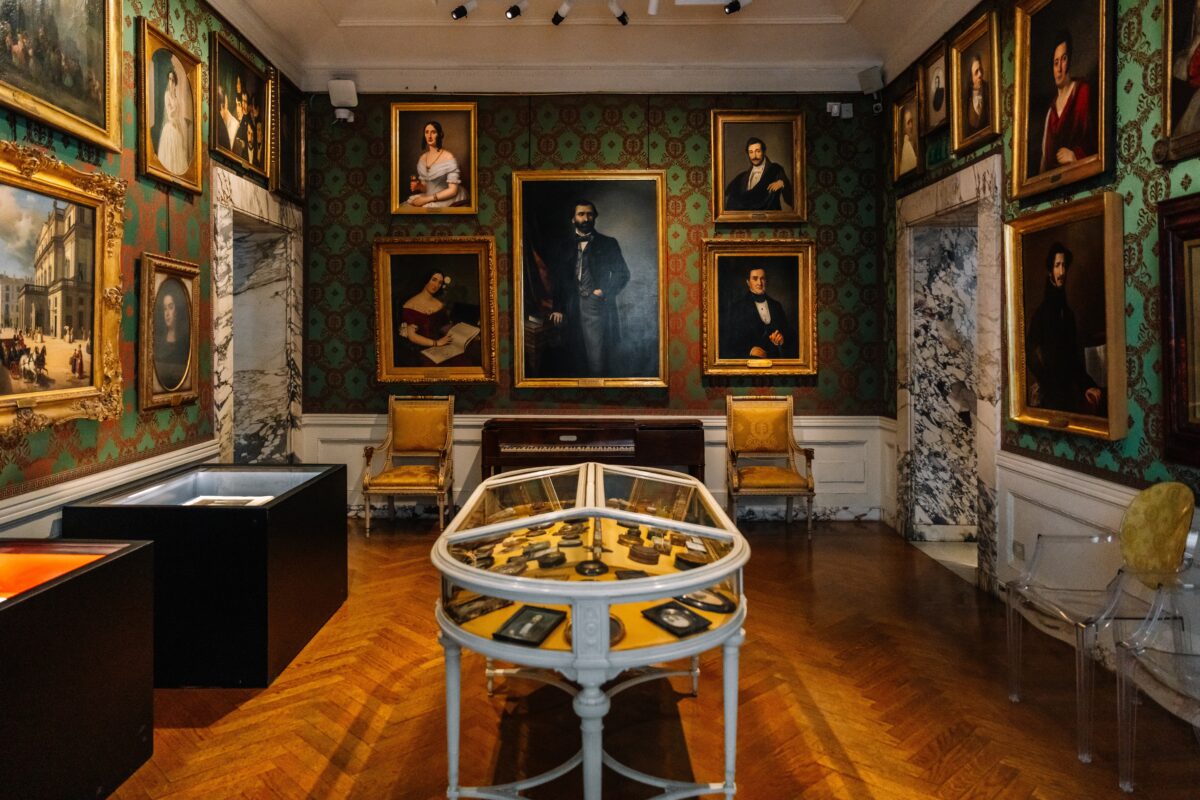
Inheriting a significant art collection can feel like stepping into someone else’s story mid‑chapter. These works are often culture objects, records of history and, sometimes, deeply personal reflections of the collector’s values, experiences and identity. When they pass to the next generation, they bring not only financial value, but also a significant responsibility that can be emotional, practical and increasingly philanthropic.
Inheritance is rarely straightforward. As charitable giving evolves, tax rules change, and museums become more discerning, inheritors and trustees are faced with a growing number of questions. What should happen to the collection? How should it be preserved? Who should enjoy it? And, crucially, does the next generation even want to take it on?
A shift in tastes: When heirs see art differently
One of the most striking realities emerging in estate planning is the widening generational gap in artistic taste and collecting priorities. Many collectors spend decades build collections shaped by personal passions, relationships with artists, or encounters with particular movements. Their children, however, may not share those tastes, or the desire to maintain large, complex, often costly collections.
For some families, this can create tension. A carefully built legacy may not resonate with the next generation’s worldview. Younger inheritors may be drawn to digital art, contemporary work, socially engaged pieces, or may value experiences over ownership altogether. Others may appreciate the cultural significance of their parents’ collections but feel ill‑equipped to care for them.
This does not diminish the original collector’s achievement. It simply points to the need for a thoughtful and realistic approach to succession planning, one that respects the legacy while acknowledging the practical and emotional realities of those who inherit it.
The growth of philanthropic giving
Against this backdrop, there has been a notable rise in high‑value philanthropic giving, both in the form of cash and physical artworks. Many high‑net‑worth families are now proactively embedding philanthropy into estate planning, while others are turning to charitable legacies only when they realise their heirs neither want nor feel able to manage the collection.
Tax incentives can also be an important consideration. In the UK, giving at least 10% of a taxable estate to charity reduces the inheritance tax rate from 40% to 36%. In some cases, artworks may form part of that charitable gift, offering a practical solution where the next generation may not wish to retain them. Done correctly, this not only preserves the works within public institutions but also eases the financial burden on the estate.
Cross‑border philanthropy is also becoming common. For internationally mobile families, the ability to align philanthropic goals with reliefs available in more than one jurisdiction can add both efficiency and impact.
Why museums don’t always say “Yes”
There is often an assumption that museums enthusiastically accept all major art donations. The reality is far more nuanced. Accepting a work is only the beginning. Conservation, storage, insurance, transportation and long‑term care can all place considerable financial demands on an institution.
This is why families are increasingly encouraged to pair art donations with cash contributions. These hybrid gifts ensure that institutions can properly maintain and display the works, transforming the gift into a sustainable partnership rather than a logistical burden.
For inheritors, this approach can also provide reassurance. It helps ensure that important works are not only accepted, but respected, cared for and understood in the context they deserve.
Foundations as a bridge between generations
For families wishing to preserve the integrity of a collection while accommodating differing views across generations, private foundations can offer an elegant solution. A foundation can:
preserve the collector’s vision, even if the next generation’s taste differs
allow the collection to remain intact and professionally managed
create opportunities for public access and educational initiatives
provide governance that respects the legacy while relieving heirs of personal responsibility
Importantly, foundations also allow families to shape narrative and purpose of a collection. Some establish dedicated exhibition spaces; others prefer to loan works to museums globally. Many embrace digital access and educational programming, ensuring that the collection remains relevant to future generations, even if the heirs themselves are not collectors.
Beyond objects: A wider view of giving
Philanthropy in the art world is expanding beyond traditional object donations, of varied levels of value. Increasingly, donors are choosing to support with:
transport costs for schoolchildren to visit museums
conservation and restoration projects
exhibition sponsorship
educational fellowships and residencies
This broader approach often appeals to younger generations, who may place more value on social impact, access and engagement over physical ownership. It can also support institutions in a more flexible and immediate way, creating deeper and more sustainable relationships between donor families and the organisations they support.
A modern definition of stewardship
What emerges from this convergence of shifting tastes, evolving philanthropic models and increasing institutional selectivity is a reshaping of what stewardship looks like. Inheriting significant art is no longer simply about maintaining a private collection; it is about making thoughtful decisions that honour the past while considering the future.
For some families, that may mean keeping the collection together through a foundation. For others, it may mean selectively donating works, accompanied by financial support, so they can be enjoyed publicly and cared for properly. For a growing number of inheritors, legacy is not upheld through possession, but through enabling access, education and cultural participation.
When done well, inheriting art becomes not a burden, but an opportunity to support institutions, widen access to culture and carry the collector’s story forward in a way that resonate far beyond the walls of the family home.
Get in touch

Latest Insights



The responsibility of inheriting significant art: Transforming private collections into public legacies


Planning for what matters – Part 4: Digital assets in modern succession planning